Case study: Six Years Behind UNICEF Ireland’s Emergency Appeals
Speed is everything in these campaigns, and our partnership with Vroom Digital will enable us to be quick off the mark and respond in real-time.
UNICEF Ireland
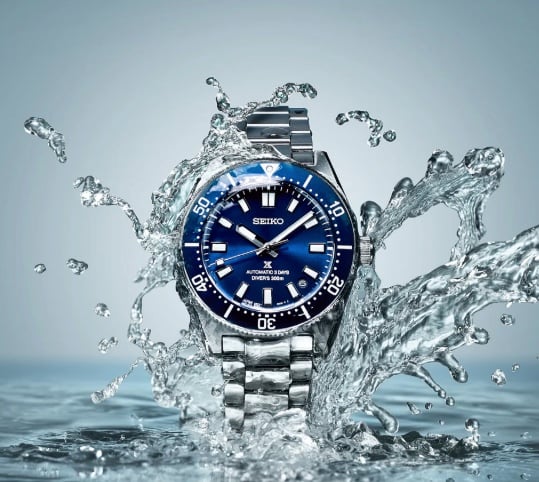
For Seiko Ireland, as for every online retailer, Black Friday to Christmas is when the year is made or broken. It is also when Google Ads gets most expensive, and when the biggest retailers outspend everyone else.
Seiko Ireland brought Vroom in for a focused peak-season Google Ads project. The aim: grow online revenue through the busiest weeks of the year without simply throwing more money at it. Revenue grew 47% year on year, and every euro spent worked 50% harder.
Every small or mid-sized online retailer recognises this problem. In November and December:
Seiko needed growth in the busiest weeks of the year, on a budget that had to be spent carefully, not a blank cheque.
This is the thinking behind the project. It applies to any online retailer heading into peak season with a budget that has to work hard.
1. Pick your battles. You will not win the most expensive generic searches against the biggest retailers, and you do not need to. Product-led placements, such as Shopping ads and Performance Max, let people see your product, price and brand side by side with the big names, often for far less.
2. Back your best sellers. Instead of spreading budget across the whole catalogue, put it behind the products that already sell. Peak season is not the time to test.
3. Protect your own name. People searching for your brand are your cheapest, most likely buyers. Make sure competitors and resellers do not take those clicks at the moment someone is ready to buy.
4. Spend when people are buying. Weight your budget towards the days that matter, from Black Friday weekend through to your last delivery date, rather than spreading it evenly across the month.
5. Plan creative early. Performance Max is only as good as the images, video and copy you give it. Brands with a wide set of assets reach more people, more often. Start gathering them in September, not December.
6. Make the message seasonal. Gift-led messaging in November, then clear last-delivery dates in December, turn interest into orders before the cut-off.
We concentrated the budget on the two places it would work hardest: Performance Max to drive sales across Google, and brand search to make sure people looking for Seiko found Seiko. Lower-impact campaigns were scaled back to fund them.
The product feed was focused on Seiko’s best-selling watches, spend was weighted towards Black Friday and the Christmas run-up, and ads shifted from gift ideas to last delivery dates as Christmas got closer. The account was adjusted throughout as demand moved.
Black Friday to Christmas 2025 was the strongest peak season the Seiko account had delivered.
If you run an online store and peak season feels like a battle you cannot afford to fight, you do not need the biggest budget. You need a sharp plan, the right products in front of the right people, and creative ready in time.
Talk to us about your peak season, or see our Google Ads, Google Ads for ecommerce and ecommerce SEO services.
As a business owner, you’re constantly juggling priorities, so it’s important to work with an agency you can trust to keep things moving in the right direction. Even when I couldn’t dedicate as much time as I wanted, the team at Vroom continued to push performance and make smart, positive changes. The results and level of service spoke for themselves.
Keith Wall, Seiko Ireland
September. That gives you time to gather creative, sort your product feed, agree budgets and get campaigns learning before costs rise in November.
Yes, if you pick your battles. Avoid bidding wars on the most expensive generic searches, and focus on Shopping, Performance Max, your best sellers and your own brand name.
Weight it towards the days people actually buy, from Black Friday weekend to your last delivery date, and behind the products that already sell well.
Because competitors and resellers can. People searching your name are your most likely buyers, and brand clicks are usually the cheapest you will get.
As much variety as you can: product shots, lifestyle images, short videos and several headlines. More assets means more places your ads can appear.
It is the fastest way to sales, but it works best alongside ecommerce SEO for long-term traffic and paid social to reach people before they search.
Speed is everything in these campaigns, and our partnership with Vroom Digital will enable us to be quick off the mark and respond in real-time.
UNICEF Ireland

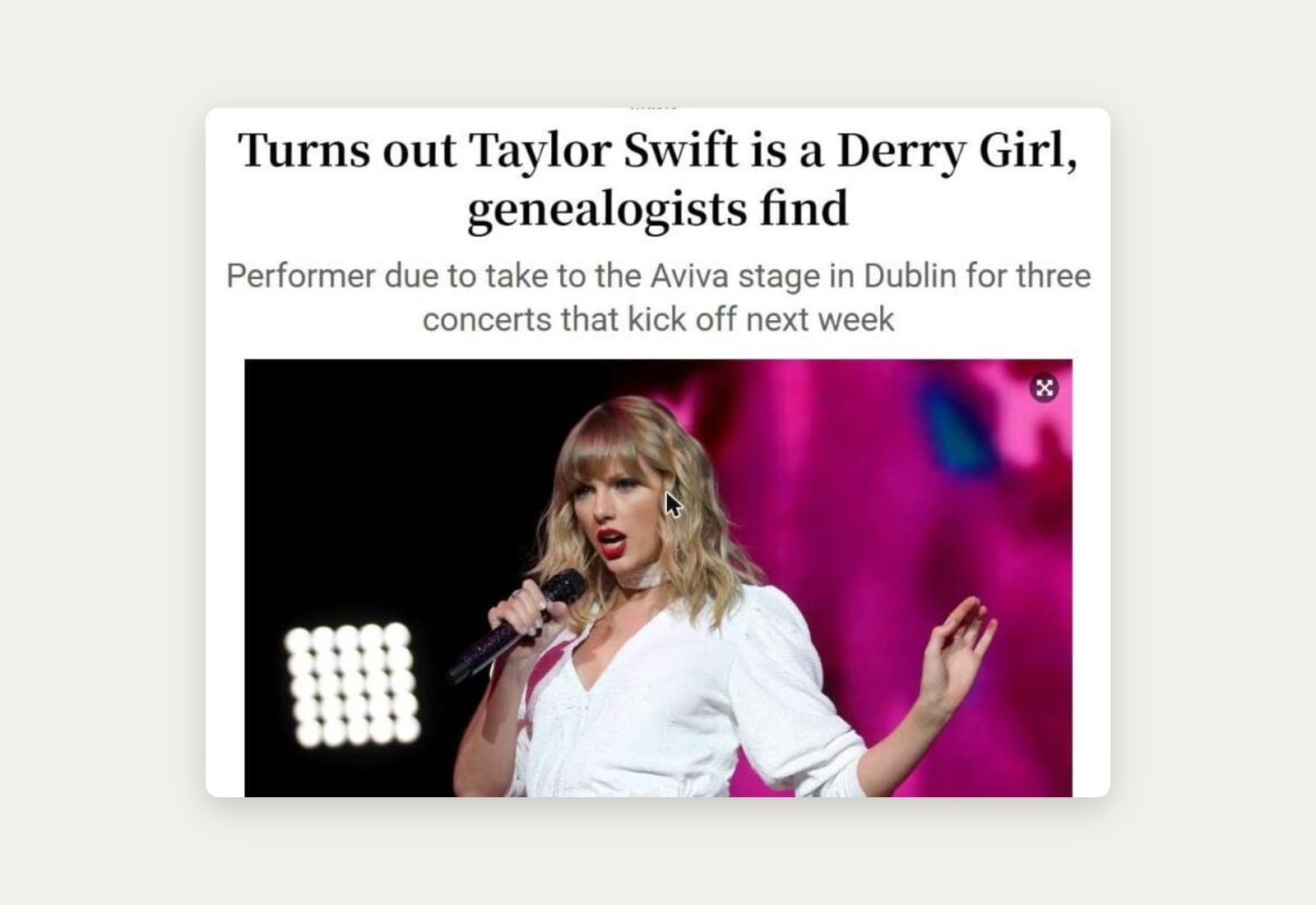
The award-winning PR and paid campaign that uncovered Taylor Swift’s Irish roots and lifted EPIC’s ticket sales 43%.
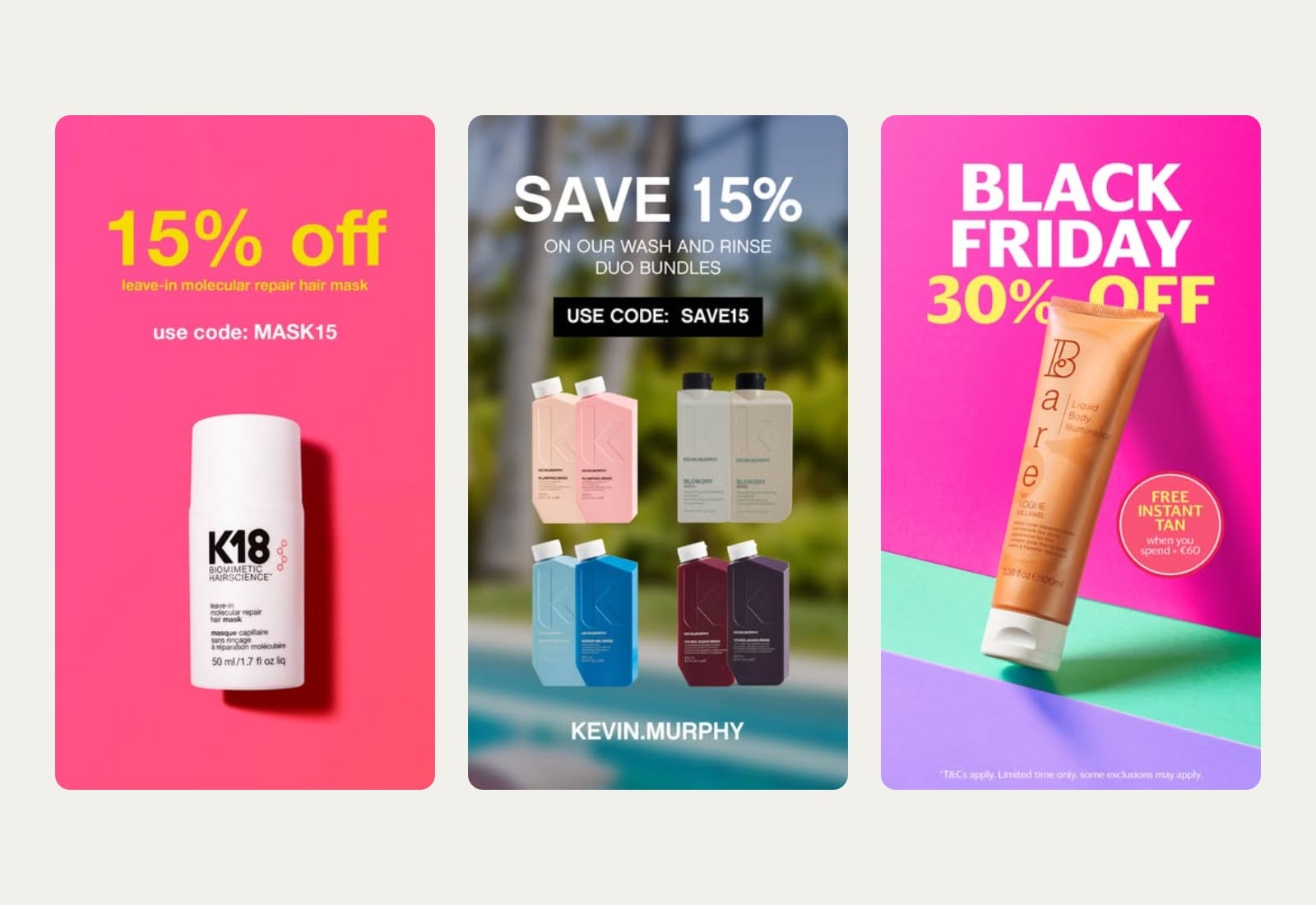
From a Bridgerton moment to TikTok Shop’s Irish launch: how Vroom grows beauty brands like K18, KEVIN.MURPHY and Bare by Vogue across Meta, TikTok and Google.
Ten years growing with Ripples Bathrooms, from one showroom and one service to two showrooms and one joined-up team.

We are delighted with the results of the campaign, which is driving significant ROI already, and even more importantly, significant awareness about the risks of flying drones in public. From an engagement perspective, the campaign has also been very beneficial for both us and the consumer, with comments and enquiries up significantly on previous years. Bronagh and the team at VROOM really understood from the off what this campaign was about and delivered across the board for us.
Alec Elliott – Corporate Affairs and PR Manager, Irish Aviation Authority
A Christmas paid social campaign that sent EPIC’s website visits up sevenfold and won at the European Search Awards.

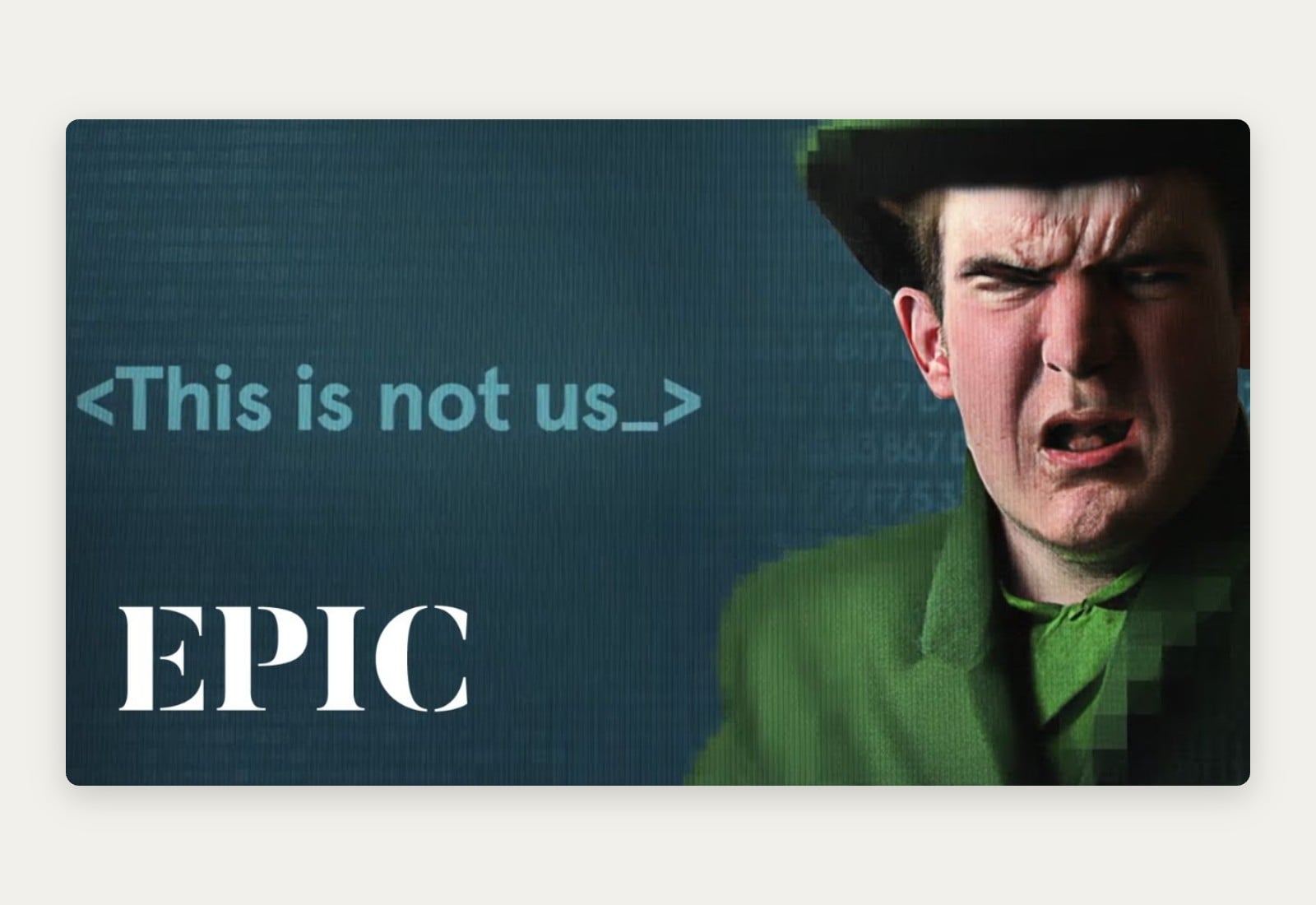
EPIC’s award-winning campaign against Irish stereotypes, from Paddy McFlaherty to Paddy A.I.rishman and Dear Erin.
Vroom are true partners taking the time to really understand how our business works. We always get excellent advice and have grown our business as a result.
Aileesh Carew – CEO and Museum Director
A new show doesn’t need one big announcement. It needs a reason to be in the news every week. We built the PR around the episodes themselves, so every filming location had its own local story, and the coverage kept coming right up to Christmas.
Niamh Waters, Head of PR, Vroom Digital

Vroom have managed our Google Ads for over eleven years and they understand the sensitivity of what we do.
Fiona O’Malley, CEO, Turn2me
A fantastic Irish agency, and a key partner for any business who is serious about digital growth. Collaborative ways of working, highly skilled account teams, excellent communication and consistent, robust data reporting are some of the benefits reaped when working with Vroom.
Amy French – Marketing Manager, Sisu Clinics
A special mention to Bronagh, Ben and Luke – truly experts in their fields!.

The team at Vroom exceeded our expectations. They created a fantastic concept centred around nostalgia, which really resonated with us, perfectly captured the heart of our brand, and brought our story to life in a way we couldn’t have imagined. This campaign has given us an incredible platform to celebrate our milestone year.
Áine Faughnan – Managing Director, Dromod

"*" indicates required fields
