

Case study: Six Years Behind UNICEF Ireland’s Emergency Appeals
Speed is everything in these campaigns, and our partnership with Vroom Digital will enable us to be quick off the mark and respond in real-time.
UNICEF Ireland

The smell of boxty on the pan. Cousins chatting in a warm kitchen. The first bite of Mam’s stew after a wet walk home. For a lot of Irish people, these aren’t just memories. They’re feelings you can taste.
In 2025, Dromod Boxty, a family food business from Co Leitrim, turned 35. Thirty-five years in business isn’t a story a journalist will run. That feeling is. So in a short brand storytelling campaign, we didn’t announce an anniversary. We told the story of why food takes us home, with Dromod at the heart of it.
Every business has milestones, and almost every business announces them the same way: a press release with the number of years, a thank you to customers and a list of products. Journalists get dozens of these a week. Very few make it into print.
Dromod didn’t want a standard anniversary announcement. They wanted people to feel something. And they wanted the rest of the country to discover a food that’s loved in the northwest but still a stranger in many Irish kitchens.
The story was already there. Dromod’s customers had been telling it for years. As Managing Director Áine Faughnan, the founder’s daughter, put it:
“Our customers often tell us our boxty tastes just like what their granny made. But more than that, they say things like, ‘This reminds me of Sunday breakfast before a match’ or ‘We always had this after school.'”
That was the insight: food holds memories, and smell unlocks them. To turn a lovely idea into news, we brought in an expert. Dr Ian Kearney, Chartered Clinical Psychologist and Clinical Director of The Atlas Clinic, explained why smell is the sense most closely tied to memory and emotion: it connects directly to the brain’s limbic system.
Now the story had the three things journalists look for: a feeling everyone recognises, science that explains it, and a real family business at its centre.
The press release, “Why nostalgia is our most powerful food memory”, didn’t open with the anniversary. It opened in the kitchen: frying onions, the clink of teacups, a warm room on a cold day. Only then did it bring in the science, and only after that, the brand.
One story became several angles, each pitched to the journalist it suited:
Every pitch came with what a journalist needs to say yes quickly: warm lifestyle photography, a heritage timeline, quotes from Áine and Dr Kearney, and a recipe. A limited-time anniversary offer gave readers something to do once they’d read the story.

Irish Country Magazine told us they loved the “emotional pull” of the story.
Since then, Dromod has kept building. The business won Gold at Blas na hÉireann 2025 for its Protein Pancakes, and the first-ever Family Business Award at the Small Firms Association National Small Business Awards in 2026.
The team at Vroom exceeded our expectations. They created a fantastic concept centred around nostalgia, which really resonated with us, perfectly captured the heart of our brand, and brought our story to life in a way we couldn’t have imagined. This campaign has given us an incredible platform to celebrate our milestone year.
Áine Faughnan – Managing Director, Dromod
You don’t need a 35th anniversary to do this. Every business has a story worth telling. Most just tell the wrong one.
1. Lead with a feeling, not a fact. Years in business, turnover and product lists are facts. Nostalgia, pride, relief and belonging are feelings. Journalists and readers respond to feelings.
2. Listen to your customers. Dromod’s story came from what customers had been saying for years. Your reviews, emails and conversations are full of stories.
3. Borrow authority. A credible expert turns a nice story into news. A psychologist, historian, dietitian or local figure gives journalists a reason to run it.
4. One story, several angles. The same story worked as science, heritage, family business and a taste of home. Tailor the pitch to each journalist.
5. Set the scene. Give journalists photos, a timeline, quotes and a recipe or real example, so the story is easy to write.
6. A milestone is a hook, not the story. Use the anniversary, launch or opening as the reason for “why now”, then tell a bigger story around it.
When this campaign ran, the goal was coverage and reach. Today we’d also plan for how the story keeps working online. Coverage on trusted Irish sites builds a brand’s authority, often measured as Domain Rating, which helps it rank in Google. And AI tools like Google’s AI Overviews and ChatGPT lean on trusted, widely published sources when they answer questions like “what is boxty” or “best Irish family food brands”. Optimising for those answers is often called AEO or GEO.
If we ran this campaign today, we would also:
A milestone, a launch, a family history or something your customers keep saying: most businesses are sitting on a story. If you want help finding yours and getting it into the press, talk to our PR team in Dublin.
It means telling the story behind your business (the people, the place, the reason it exists) in a way that makes journalists and readers care, instead of just announcing facts. Good brand storytelling leads with a feeling and backs it up with something real.
Use the anniversary as the hook, not the headline. Connect it to a bigger story: a trend, a feeling, a piece of history or a local community. Dromod’s 35th became a story about why food brings back memories.
Food is tied to memory, and smell especially so, because it links directly to the parts of the brain that handle memory and emotion. Nostalgia makes a brand feel familiar and trusted, even to people who have never bought it.
Focus on people and moments, not the company: who started it, why, what changed and what stayed the same. Give journalists a reason to write about it now, and make it easy with photos, quotes and spokespeople ready to talk.
Not always, but it helps. An independent expert adds credibility and gives journalists a reason to treat the story as news rather than promotion.
Yes, with the right story. Dromod, a family business in Co Leitrim, appeared in the Irish Daily Mirror, the Irish Daily Star and Irish Country Magazine from a single, short campaign.
Start with what customers say to you, what makes your product or place different, and the moments people connect with you. The story is usually already there. It needs shaping into something a journalist can use.
By the amount and quality of coverage, reach and advertising value equivalent. Increasingly, also by links back to your website, searches for your brand name, and whether your brand appears in AI answers afterwards.
Speed is everything in these campaigns, and our partnership with Vroom Digital will enable us to be quick off the mark and respond in real-time.
UNICEF Ireland
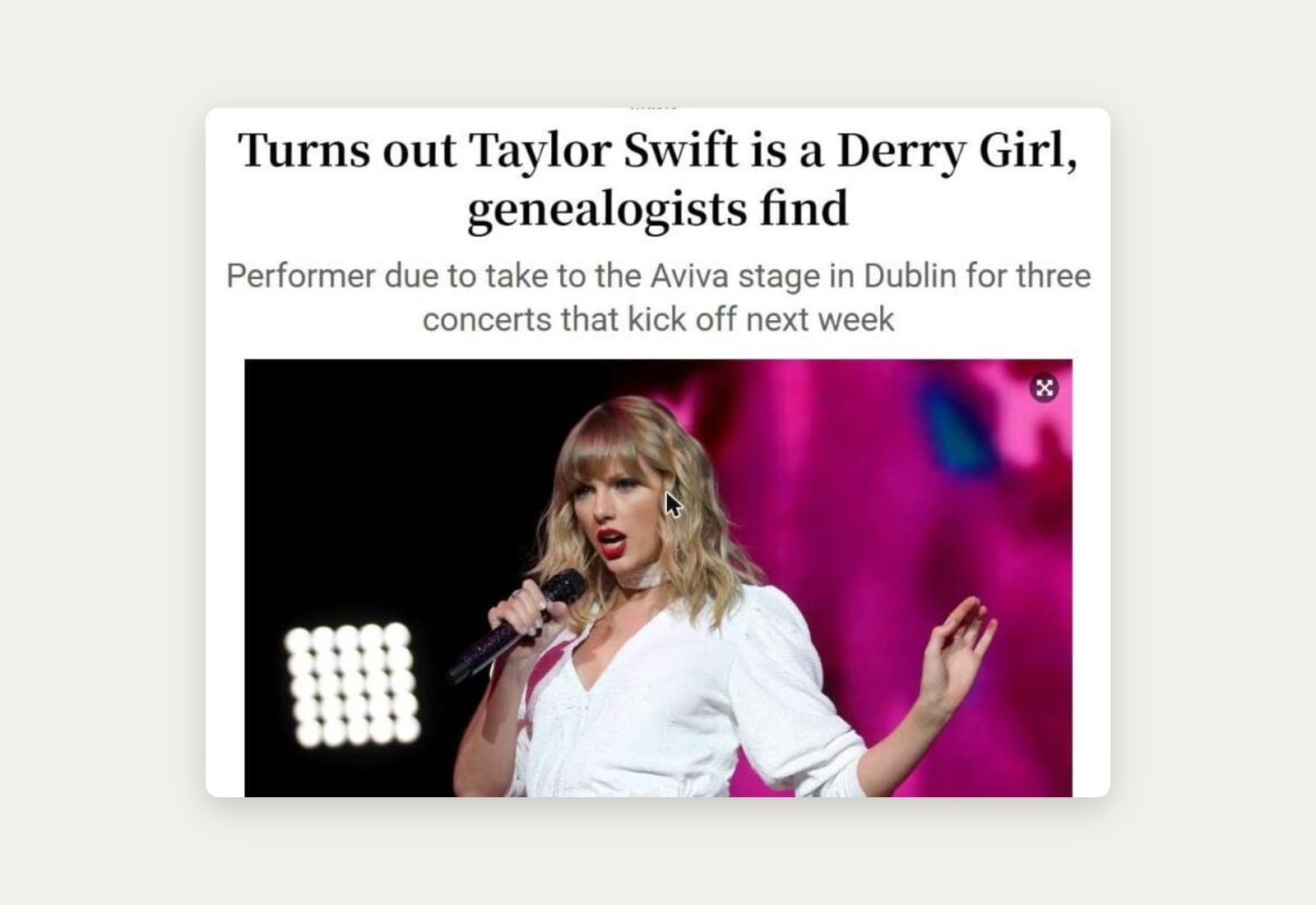
The award-winning PR and paid campaign that uncovered Taylor Swift’s Irish roots and lifted EPIC’s ticket sales 43%.
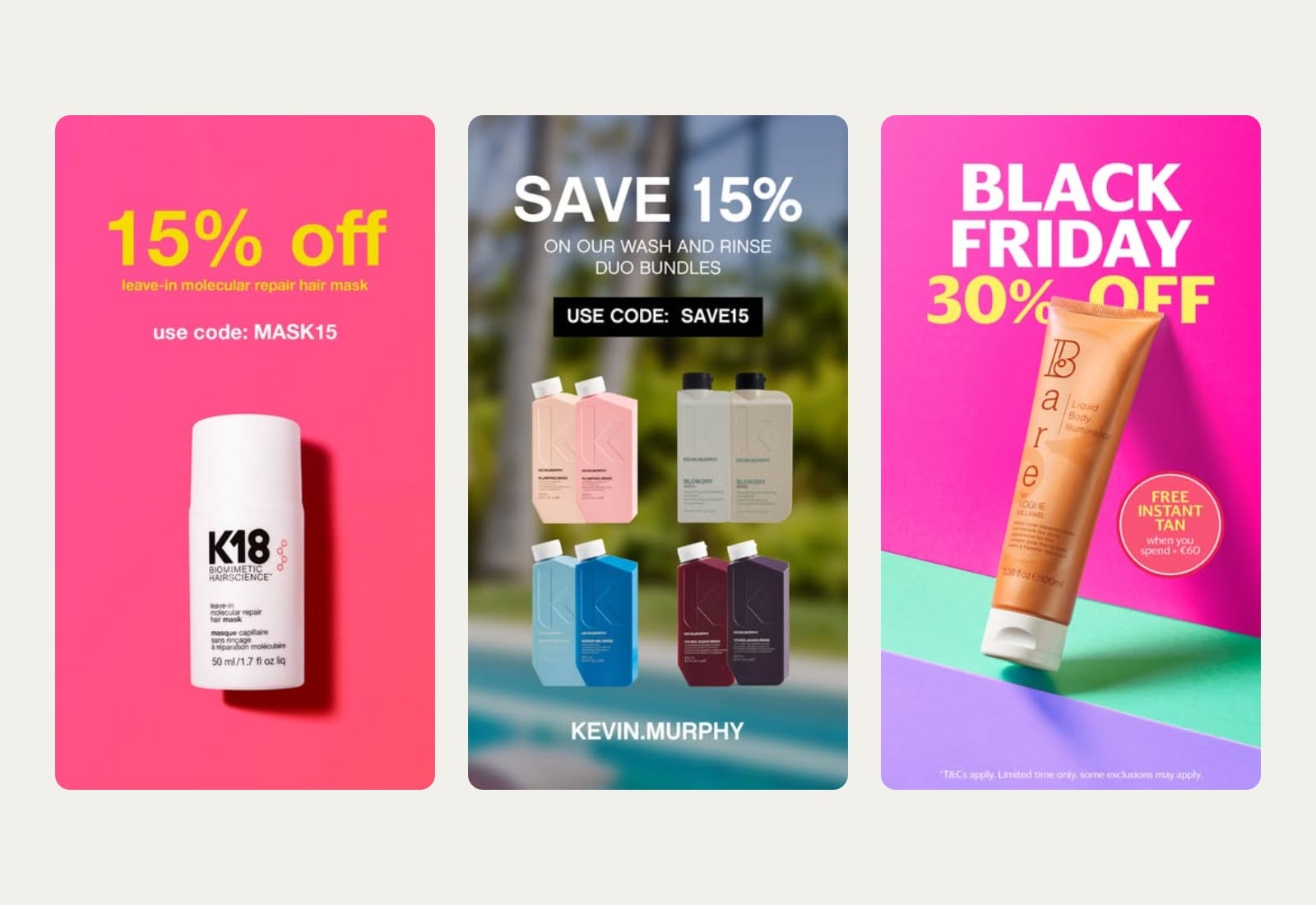
From a Bridgerton moment to TikTok Shop’s Irish launch: how Vroom grows beauty brands like K18, KEVIN.MURPHY and Bare by Vogue across Meta, TikTok and Google.
Even when I couldn’t dedicate as much time as I wanted, the team at Vroom continued to push performance and make smart, positive changes.
Keith Wall, Seiko Ireland
Ten years growing with Ripples Bathrooms, from one showroom and one service to two showrooms and one joined-up team.
We are delighted with the results of the campaign, which is driving significant ROI already, and even more importantly, significant awareness about the risks of flying drones in public. From an engagement perspective, the campaign has also been very beneficial for both us and the consumer, with comments and enquiries up significantly on previous years. Bronagh and the team at VROOM really understood from the off what this campaign was about and delivered across the board for us.
Alec Elliott – Corporate Affairs and PR Manager, Irish Aviation Authority
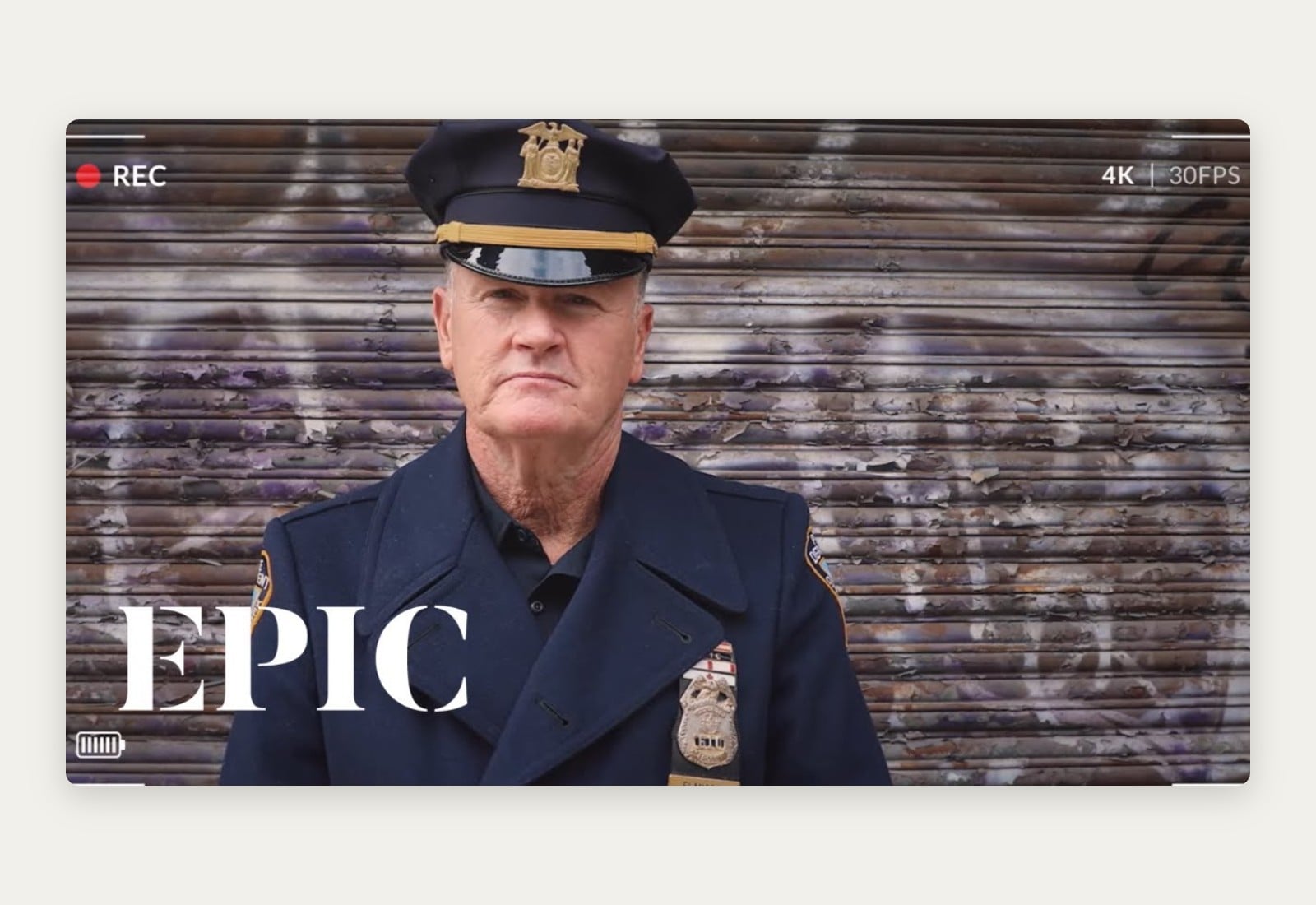
A Christmas paid social campaign that sent EPIC’s website visits up sevenfold and won at the European Search Awards.
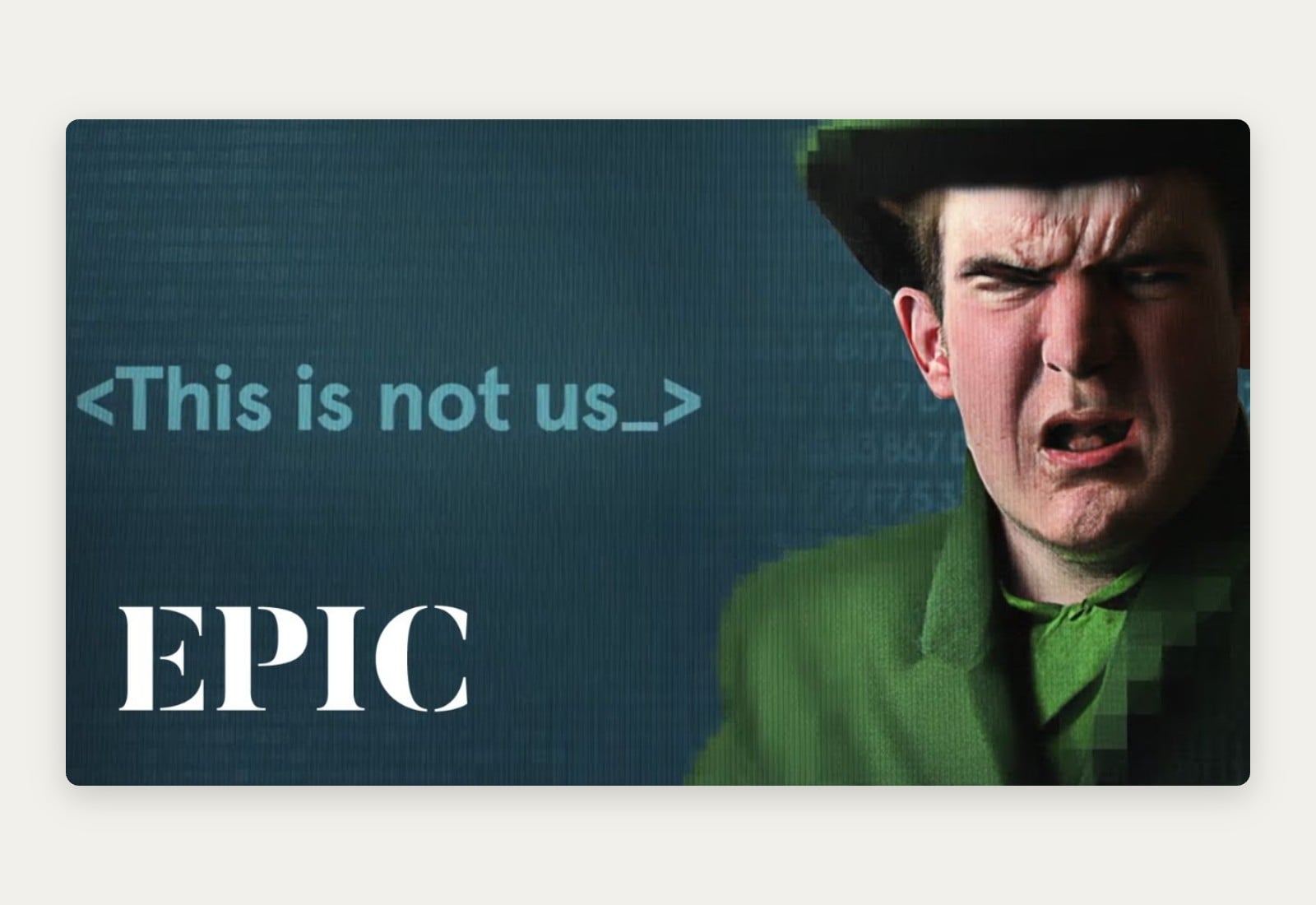
EPIC’s award-winning campaign against Irish stereotypes, from Paddy McFlaherty to Paddy A.I.rishman and Dear Erin.
Vroom are true partners taking the time to really understand how our business works. We always get excellent advice and have grown our business as a result.
Aileesh Carew – CEO and Museum Director
A new show doesn’t need one big announcement. It needs a reason to be in the news every week. We built the PR around the episodes themselves, so every filming location had its own local story, and the coverage kept coming right up to Christmas.
Niamh Waters, Head of PR, Vroom Digital

Vroom have managed our Google Ads for over eleven years and they understand the sensitivity of what we do.
Fiona O’Malley, CEO, Turn2me
A fantastic Irish agency, and a key partner for any business who is serious about digital growth. Collaborative ways of working, highly skilled account teams, excellent communication and consistent, robust data reporting are some of the benefits reaped when working with Vroom.
Amy French – Marketing Manager, Sisu Clinics
A special mention to Bronagh, Ben and Luke – truly experts in their fields!.

"*" indicates required fields
